Questions? Call or Text
(484) 626-1616

Welcome to our Dream to Reality series, a complete guide to
building a new home from the very first dig to the day you get your keys. We
know that building a home can feel overwhelming, especially if you have never
done it before. This glossary is here to make sure you never feel lost along
the way.
Over the course of this series, we will walk you through
every phase of the process. It all starts with finding your homesite and
navigating permits, grading, and sewage connections, everything covered in
our Preparing Your Home guide. From there the real
transformation begins as framing, roofing, and mechanical systems bring your
home to life, all covered in our Building Your Structure guide. And the most
exciting phase is still ahead. Our Designing and Finishing Your Home guide is
coming soon and will walk you through every selection, your Design Studio
appointment, your final walkthrough, and everything else that makes your new
home feel truly yours.
You may find out you know more than you thought. And if you
ever have questions along the way, we are here for you at every step.
After concrete is poured it does not just dry like paint. It
goes through a process called curing, where it slowly hardens and gains its
full strength over days or even weeks. To make sure it cures correctly the
concrete has to stay moist and at the right temperature. If you have ever
driven past a construction site and seen what looks like wet blankets or
plastic sheeting draped over a freshly poured foundation, that is exactly what
is happening. Those coverings lock in moisture and protect the concrete while
it hardens.
Drainage is all about making sure water goes where it is supposed to go, away from your home. Without proper drainage planning, water can collect and sit directly against the base of your home, the same way a puddle forms on a sidewalk after heavy rain. Getting drainage right during the grading phase is one of the most important things our team does before a single wall goes up and it is what protects your home for decades to come.
Flashing in roof construction is like a protective shield for your home. It's made of thin, waterproof materials, often metal, rubber, or plastic, and is installed around joints, edges, and openings in the roof (like where the roof meets a wall). Its job is to prevent water from seeping in and causing leaks or damage.
Think of footers like the roots of a tree. They are poured
first, before anything else in the foundation process, and they sit completely
underground where you will never see them once your home is built. But just
like tree roots, they are doing all the important work beneath the surface.
Footers spread the weight of your entire home evenly into the ground and create
the stable base that the foundation walls rest on top of.
One of the most memorable milestones of the entire Tuskes
Homes building process. Before the drywall goes up and closes everything in,
you will meet with your Construction Project Manager to walk through your home
and see everything that lives inside the walls, including the framing,
plumbing, electrical, and HVAC systems.
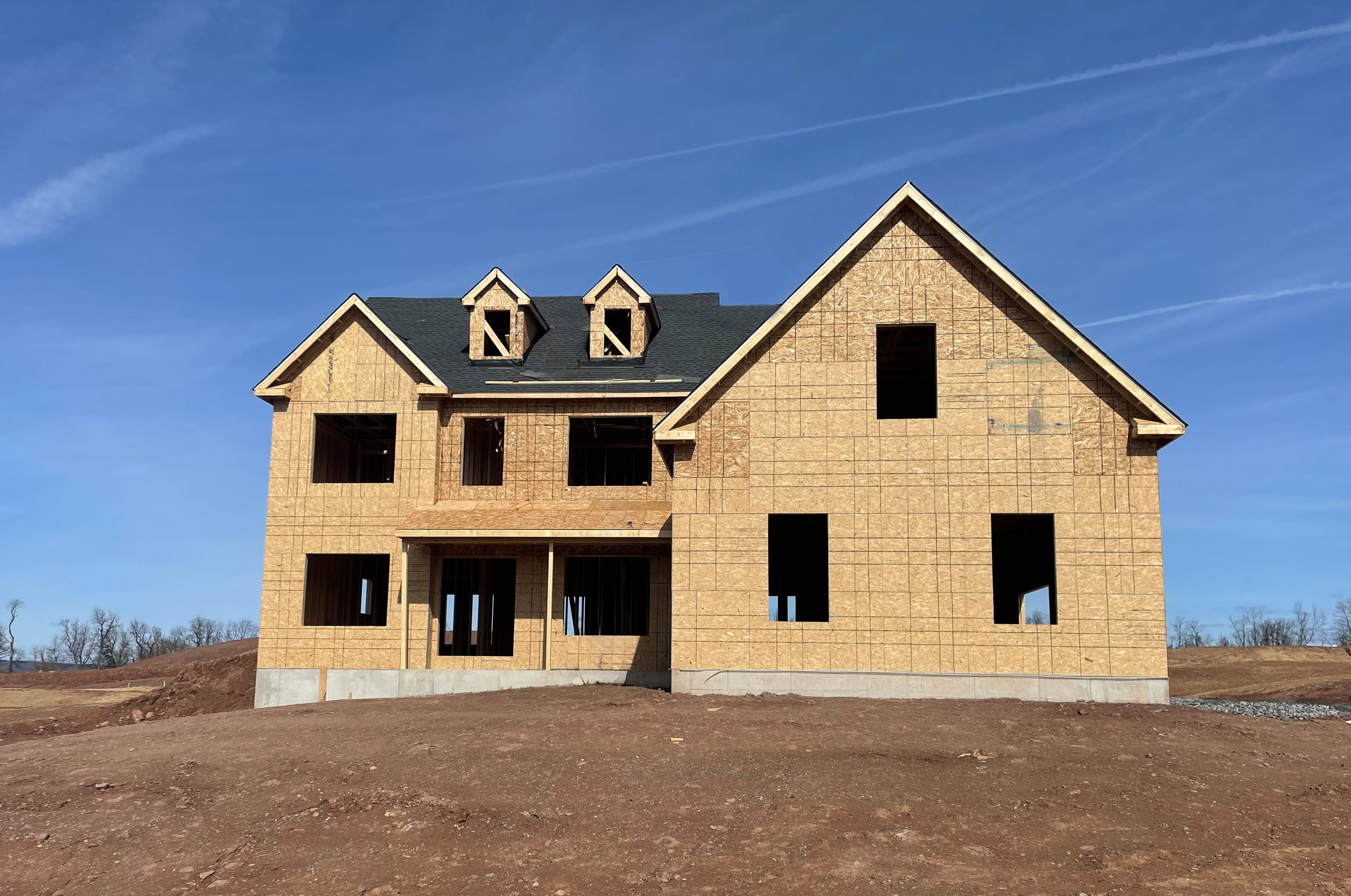
Framing is when your home stops looking like a construction
site and starts looking like an actual house. This is the phase where the
structural skeleton of your home is built, wood assembled into walls, floors,
and roof structures that define the shape, size, and layout of every room. Once
framing is complete, you can walk through the footprint of your home for the
first time and start picturing where the couch goes.
Before construction can move forward, a local building
official comes out to inspect the structural skeleton of your home and make
sure everything meets local building codes and safety standards. The inspector
checks the walls, the beams above doorways and windows, connections throughout
the frame, and the openings for doors, windows, and utilities. Once everything
passes, the inspector gives approval and the build moves to the next phase.
Before your home can be built, the land it sits on has to be
shaped and prepared. Think of it like leveling a table before you set anything
on it. If the surface is uneven, everything on top of it is going to be off
too. A grading plan maps out exactly where your home will sit on the homesite,
what the land around it will look like, and what soil needs to be added or
removed to make it all work.
HVAC stands for Heating, Ventilation, and Air Conditioning.
It is the system responsible for keeping you comfortable no matter what the
weather is doing outside. Too cold in January? That is your HVAC keeping you
warm. Too hot in July? That is your HVAC cooling things down. Stuffy air? Your
HVAC is handling that too. The entire system gets installed during the framing
phase before the walls are closed in, which means you will actually get to see
all the ductwork and equipment during your Frame Walk before it disappears
behind drywall forever.
Before any building can happen, the homesite has to be
cleared out. Imagine trying to build on a lot covered in trees, rocks, and
brush. Nothing can happen until that land is clean and ready to work with. Land
clearing is the process of removing everything that is in the way, not just to
make room for the home itself but also so the team can properly grade the land,
plan drainage, and get construction equipment in and out without any
issues.
Not all walls are created equal. Most interior walls in a
home are just there to divide rooms and give you privacy. A load-bearing wall
is different. It is actively holding up the weight of everything above it,
whether that is the roof, an upper floor, or both. Take it away and things
start to go wrong very quickly. These walls are carefully identified and
verified during the framing inspection, so everyone knows exactly which walls
are structural and which ones are not. It is the reason you cannot just
knock down any wall you want during a renovation without checking first.
A permit is basically the official green light from your
local township or county that says yes, you are allowed to build here. Before a
single shovel hits the ground, there is a whole checklist of requirements that
have to be met, from how trees are handled and how water is connected, to where
the sewage goes and how close the home can sit to the road and neighboring
properties. It sounds like a lot and it can take anywhere from a couple of days
to several weeks depending on the township. Our Permits Coordinator Kathy
handles the entire process, so you never have to think about it. Just know it
is in good hands!
When you flush a toilet or drain a sink, the wastewater has
to go somewhere. In a home connected to public sewer, it travels through
underground pipes and makes its way to a centralized treatment facility managed
by your local utility provider, where it is processed and cleaned before being
safely returned to the environment. Think of it like a highway system for
wastewater. Whether your home uses public sewer or a septic system depends
entirely on where your community is located and what infrastructure exists in
that area.
Rebar is short for reinforcing bar and it is basically the secret ingredient that makes concrete strong enough to hold up an entire house. On its own concrete is hard but it can crack under pressure, the same way a sidewalk develops cracks over time. Rebar is a steel rod that gets placed inside the concrete forms before anything is poured. When the concrete hardens around it the two materials work together to create something far stronger than either one could be on its own. Think of rebar like the skeleton of your foundation. Just like bones hold your body together from the inside, rebar holds the concrete together from the inside out. You will never see it once the foundation is complete but it is doing the most important structural work of your entire home every single day.
Rough-in in construction is the stage where the basic framework of a home's essential systems is put in place before walls, floors, or ceilings are finished. This includes installing pipes for plumbing, wiring for electricity, and ducts for heating and cooling, essentially the hidden but critical work that makes and home functional. It's like the skeleton of the home, setting the stage for everything else to be built around it.
Utilities systems include water, electricity, natural gas,
and sewer service, all of which work together to support everyday activities
like cooking, heating, bathing, lighting, and waste removal.
We will keep adding to this glossary as the Dream to Reality
series grows. Ready to start your new home journey in the Lehigh Valley or
Poconos? Reach out to Martha at marthac@tuskeshomes.com or
call/text 484-626-1616 and she will help you get started!

The Best August Events in the Lehigh Valley & Poconos
New Home Construction Guide: Dream to Reality - Building the Structure
Which Community Will Your Future Home Belong To? Find Out With Our Quiz!
Ken and Theresa were looking to downsize after they became empty nesters, and they were thrilled to find a ranch-style home that offered single floor living and a finished basement for additional space.
The Swauger family chose Tuskes Homes and our Wolf's Run community to call home, where Lily finds her dream room- a space she had always imagined.
Right from the beginning, building with Tuskes Homes was a great experience for Shreesh and Ketaki. Compared to their previous experience with another builder, they could tell that we truly cared about making sure their home was exactly what they wanted.
Since meeting each other on the first day of college, Lehigh Valley locals Josh and Lauren knew they were destined for great things. Now 10 years later they've welcomed a baby into their family and are living the dream at our Northwood Farms community!
Send me a quick message and I'll get back with you shortly!